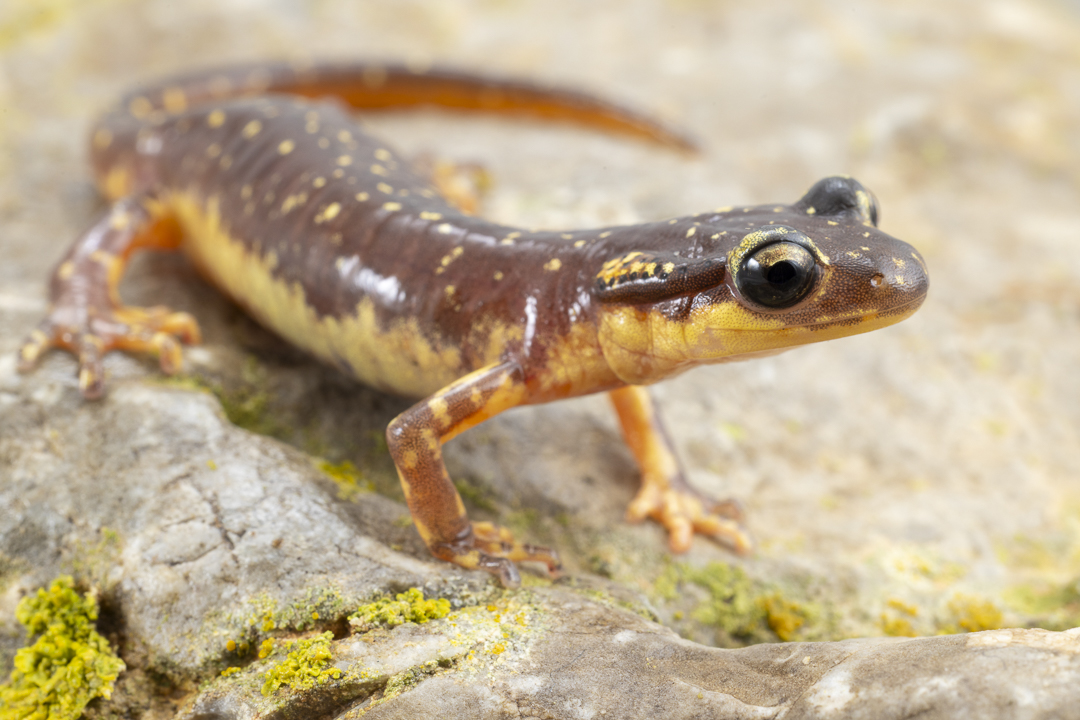
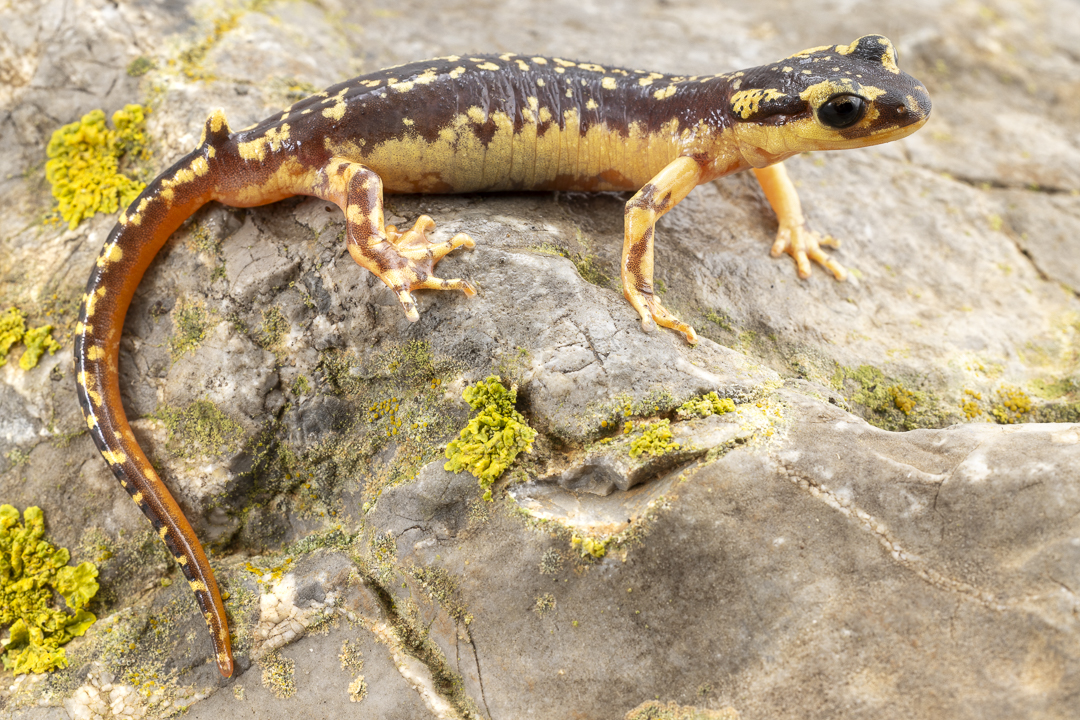
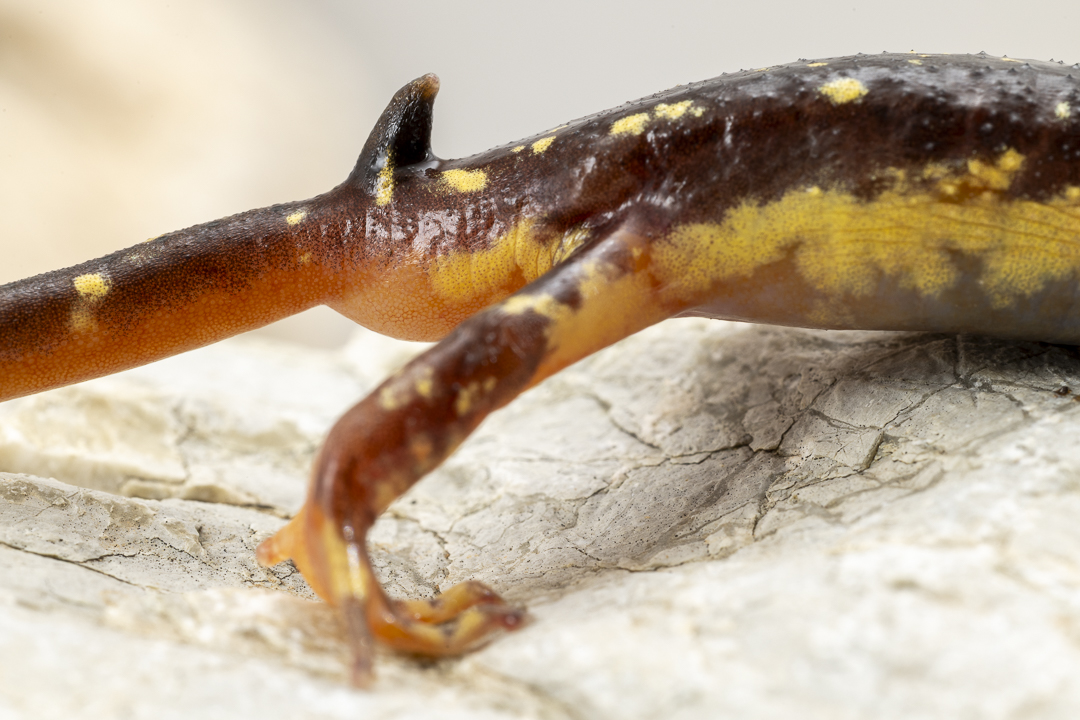
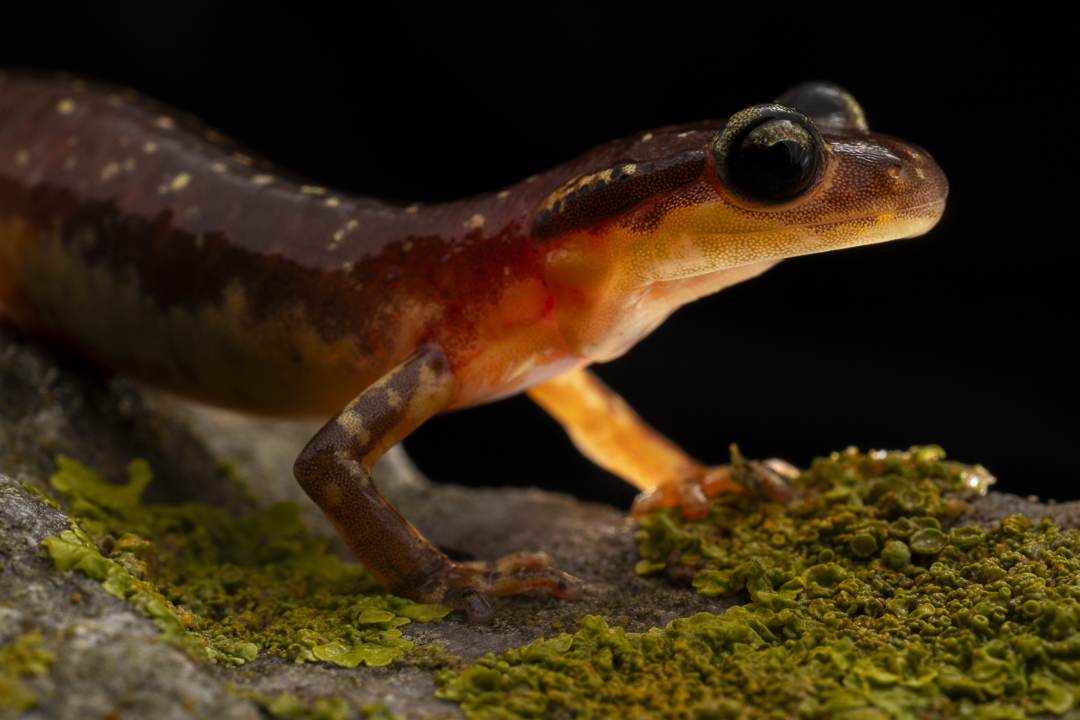
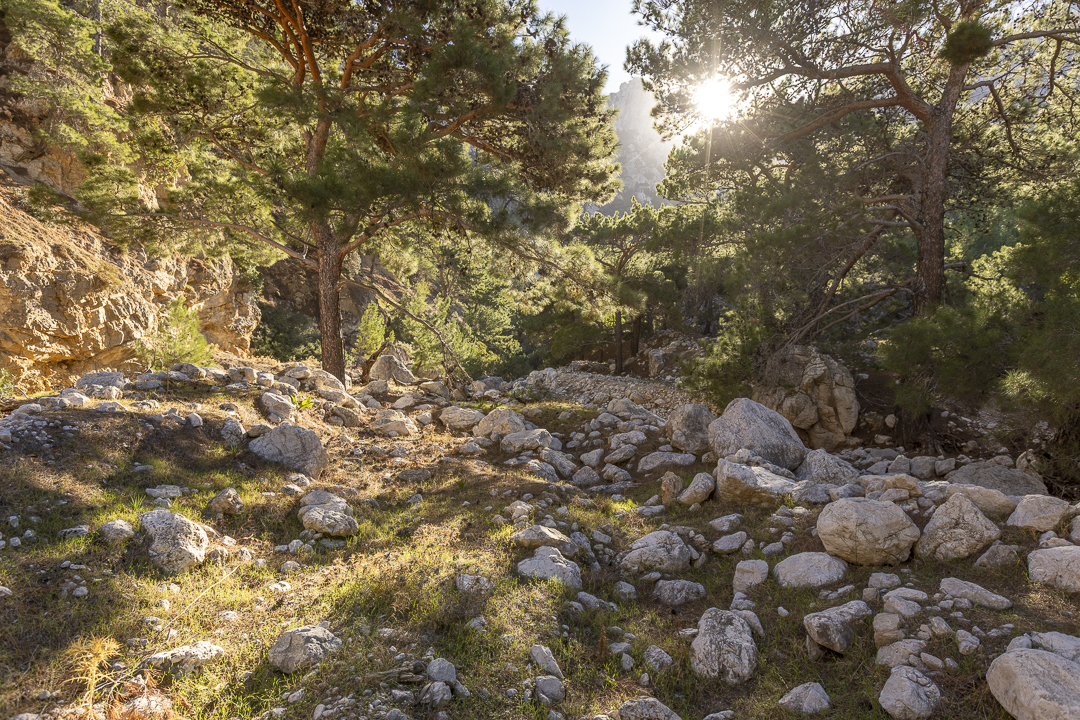
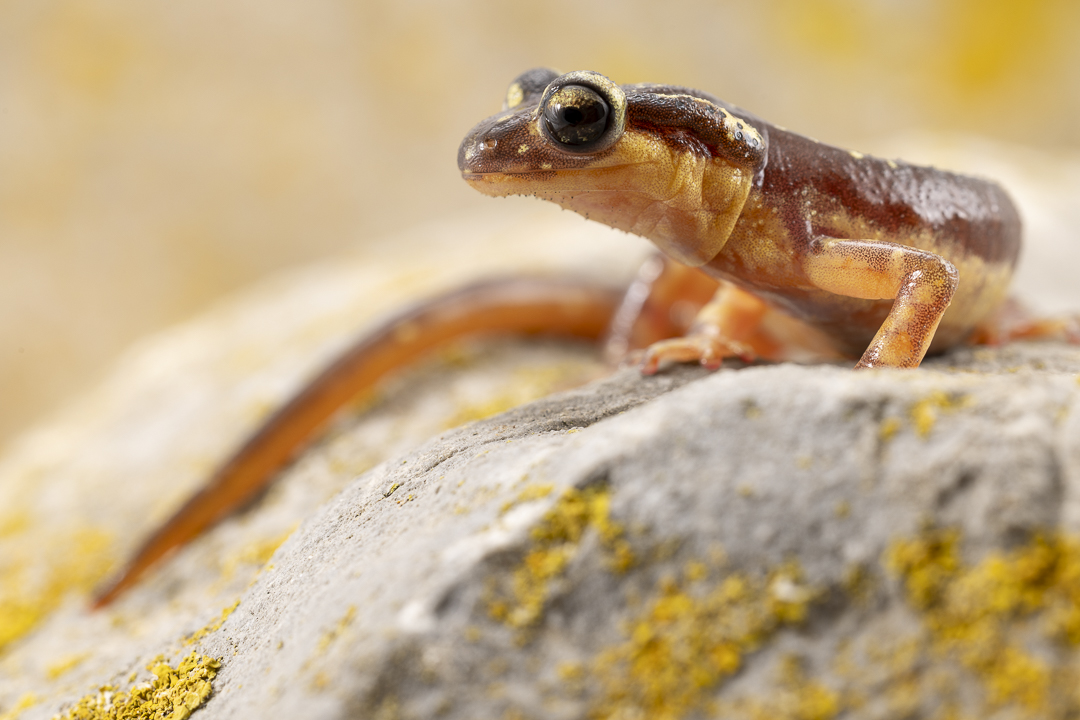
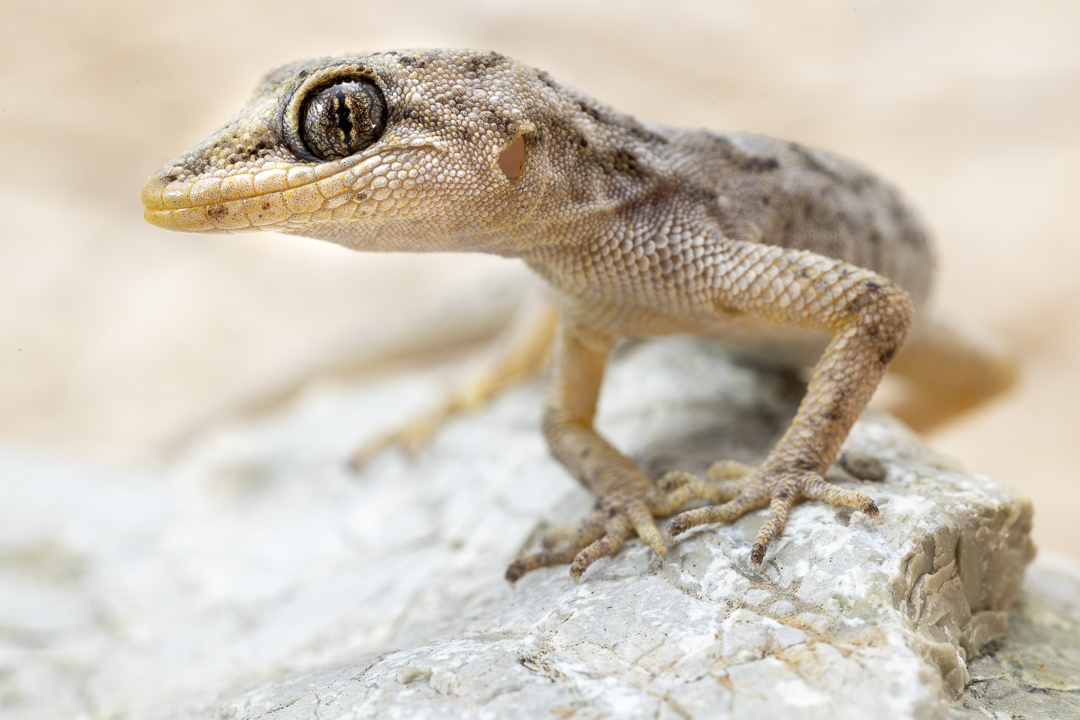
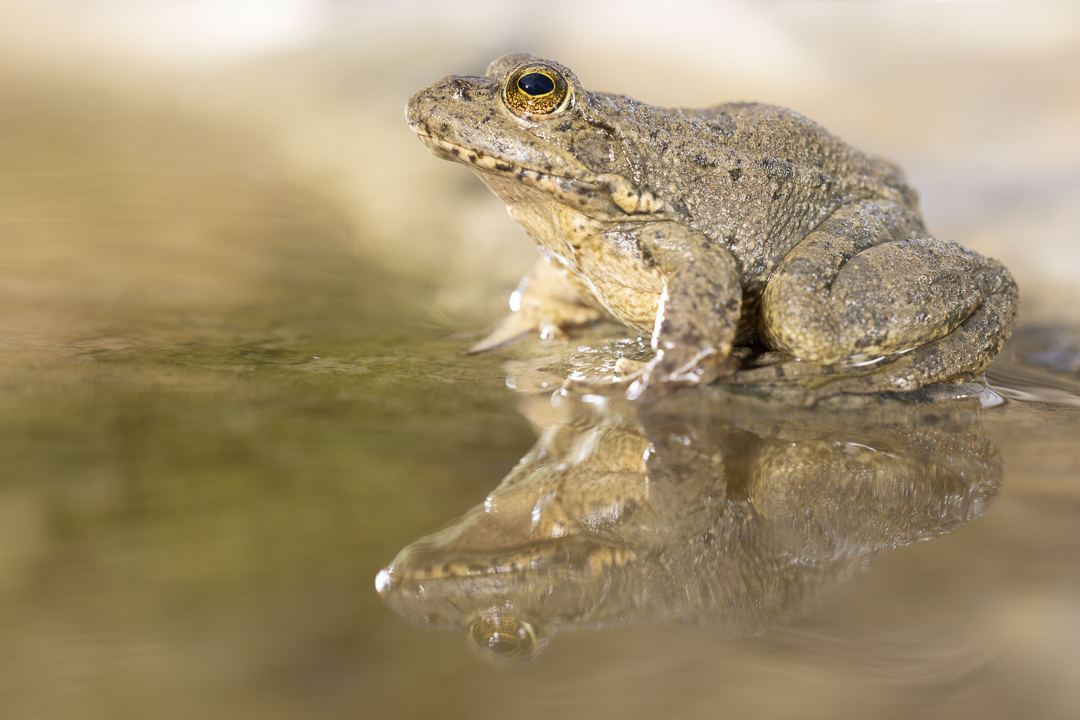
In December, we visited the Greek island of Karpathos. The reason for choosing this destination in winter was the endemic Karpathos salamander (Lyciasalamandra helverseni). This terrestrial salamander is usually active and visible only during the winter months, as temperatures are too high during the rest of the year and the animals remain underground. Karpathos salamanders typically inhabit limestone-rich environments such as pine forests, maquis shrublands, and rocky terrain. Unlike many amphibians, they give birth on land and are not associated with water. Males can be recognized by a conspicuous dorsal tubercle at the base of the tail.
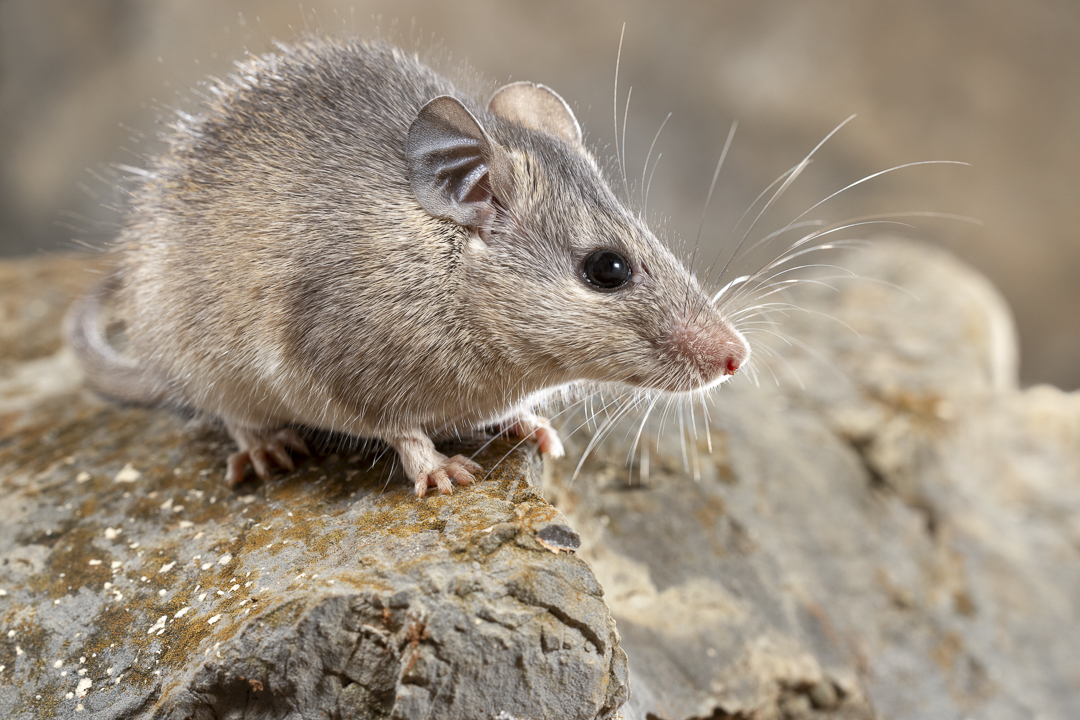
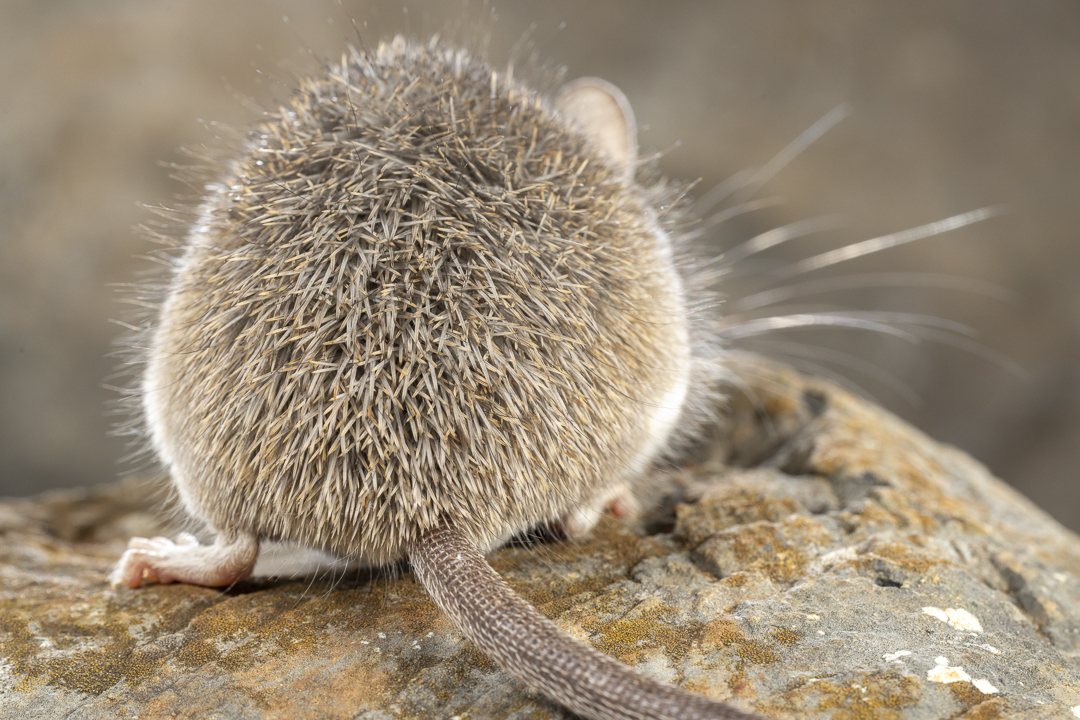
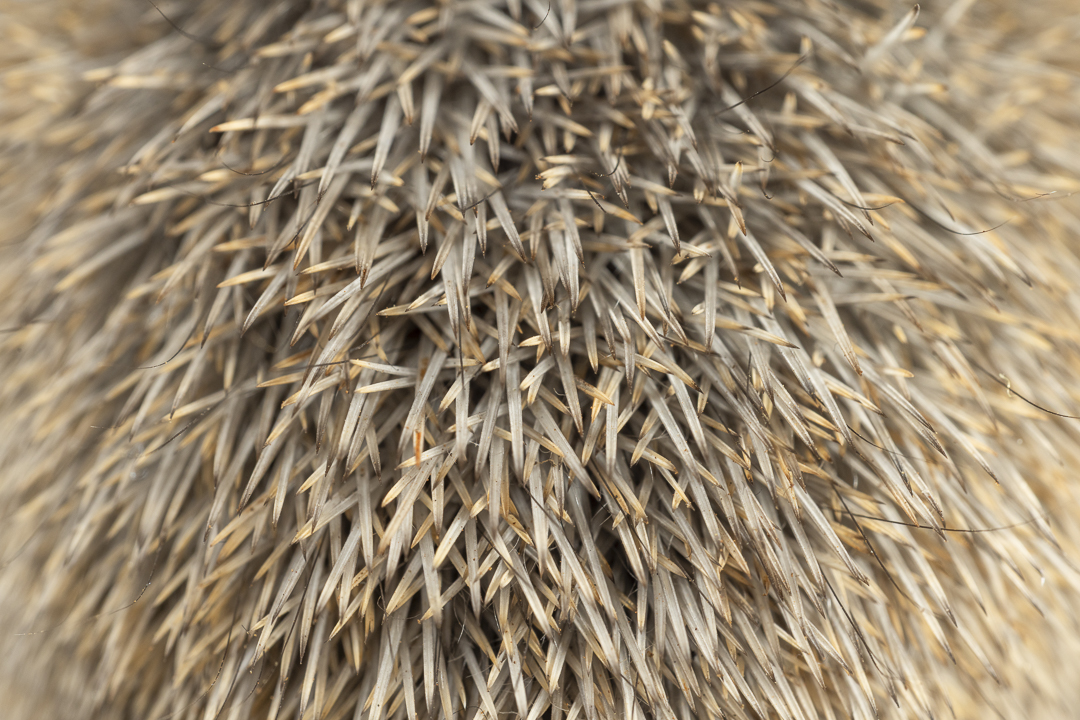
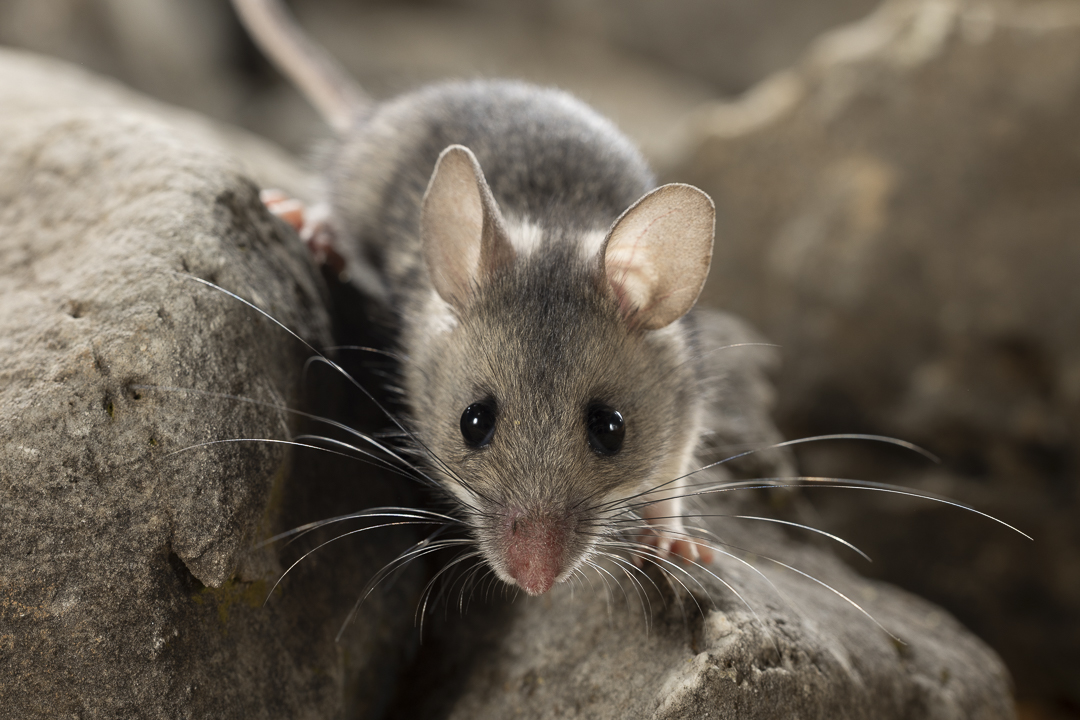
Because of the long drive to southern Greece, we added Crete to our trip as well, where we focused mainly on small mammals. One of our target species was the Cretan spiny mouse (Acomys minous / Acomys cahirinus minous). Spiny mice are named for the distinctive stiff, spiny hairs on their backs, which likely help protect them from their main predators: snakes. The taxonomic status of the Cretan spiny mouse remains uncertain. It has been considered a distinct species (Acomys minous) due to its geographic isolation and clear morphological differences, including a noticeably grayer coloration and a more pointed face compared to other spiny mice. However, others have suggested that it represents a subspecies of the Northeast African spiny mouse (Acomys cahirinus), a species that has spread widely with human colonization.
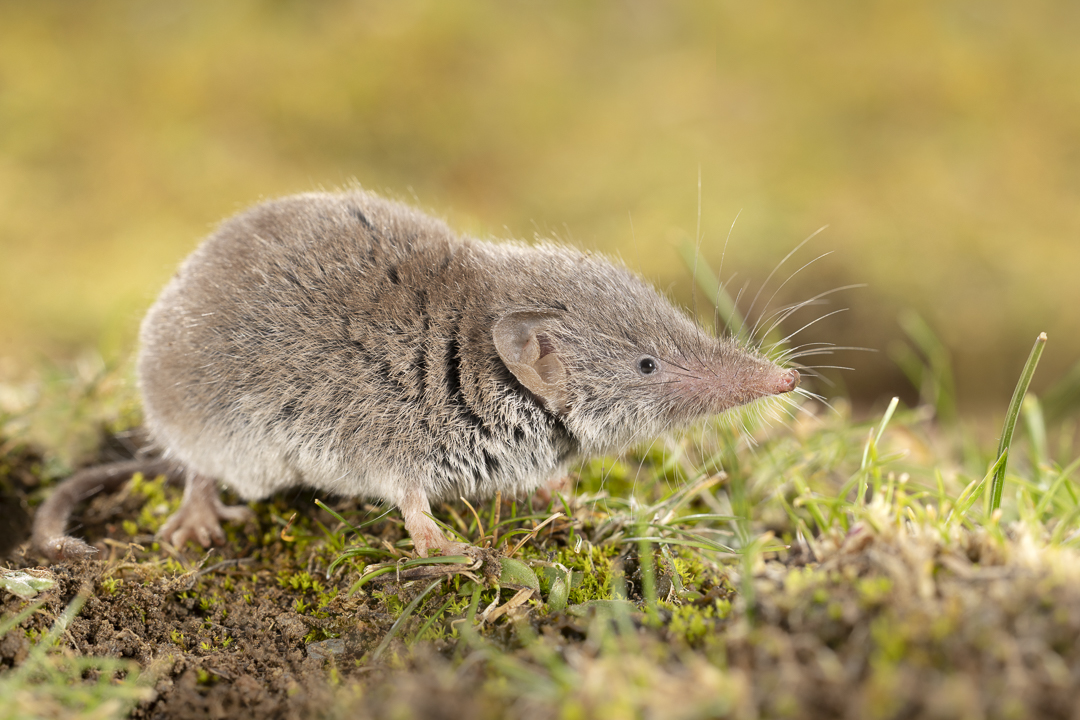
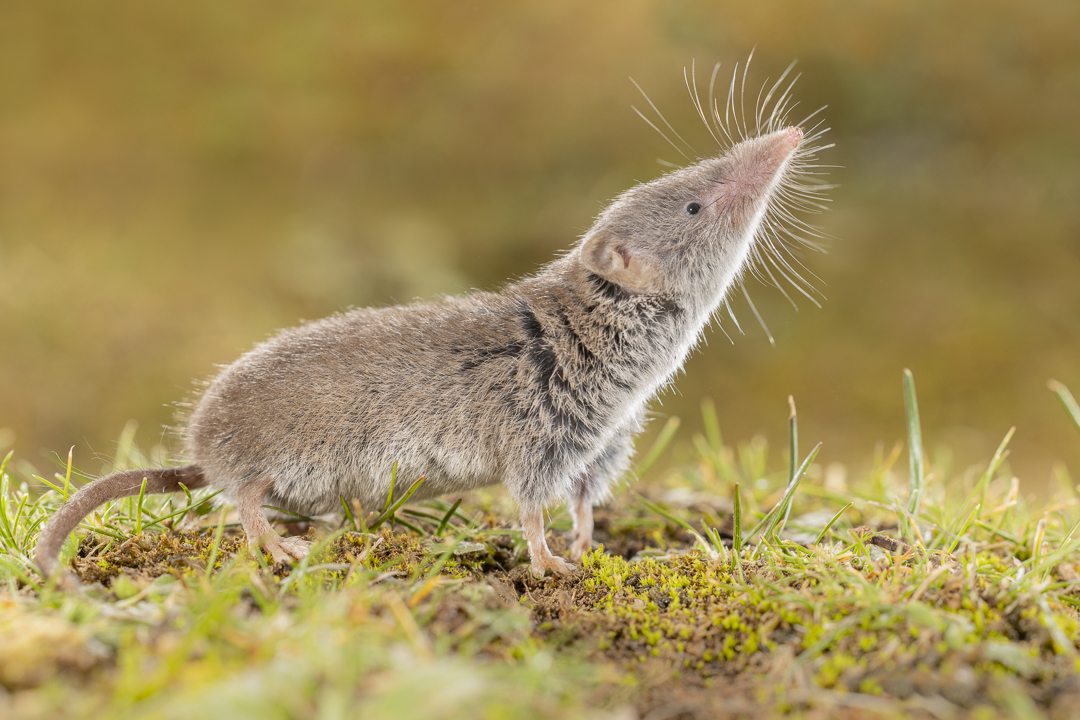
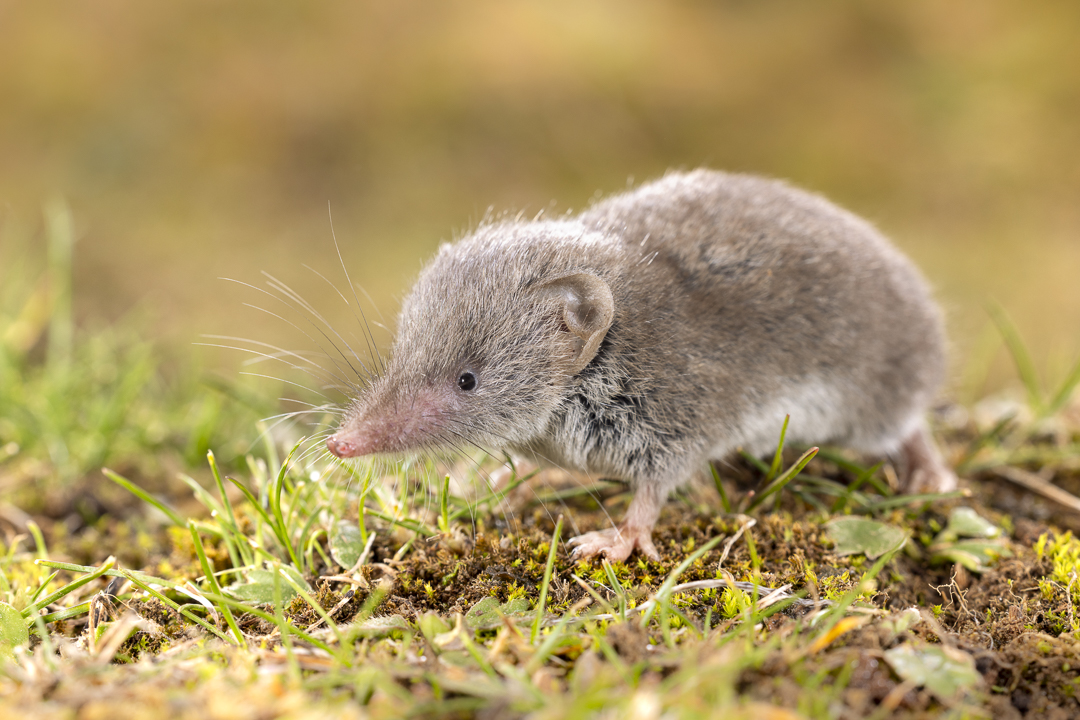
This lack of consensus means that our other target species, the Cretan shrew (Crocidura zimmermanni), is the only undisputed endemic mammal species on Crete. It likely reached the island by rafting during the early Pleistocene and has survived there ever since, making it a true “living fossil”. Today, the species is restricted to only three mountain ranges, having been displaced from lower elevations by the lesser white-toothed shrew (Crocidura gueldenstaedtii), which was introduced by humans around 1500 BCE. Due to its small, fragmented range and competition with invasive shrews, the Cretan shrew is classified as Endangered by the IUCN.
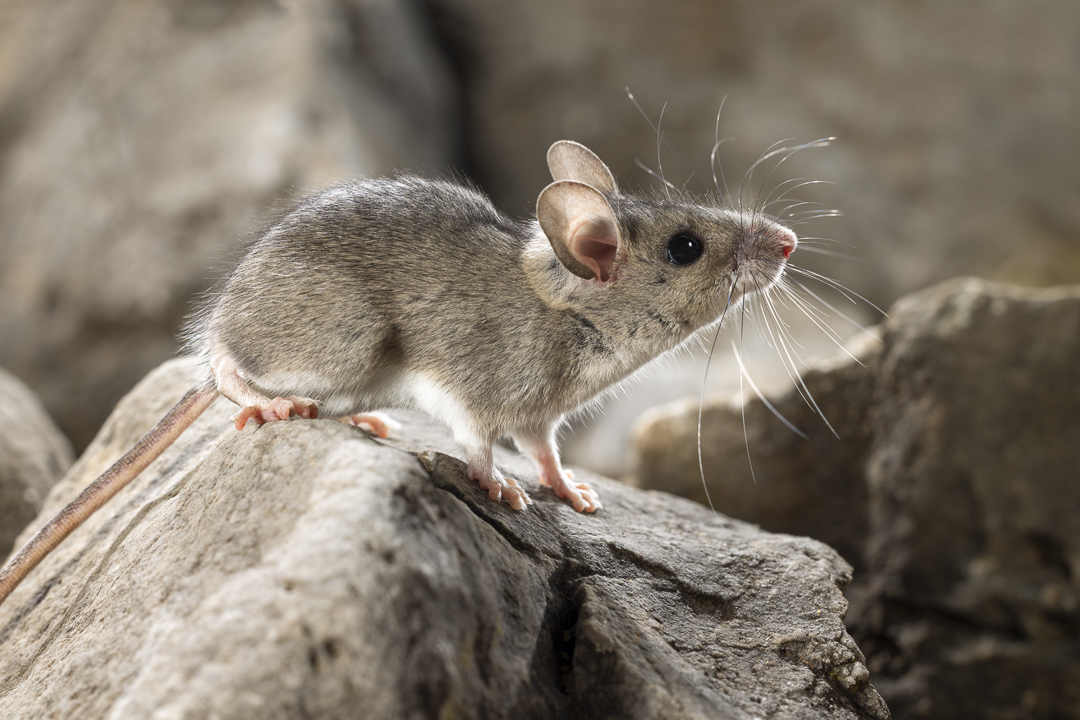
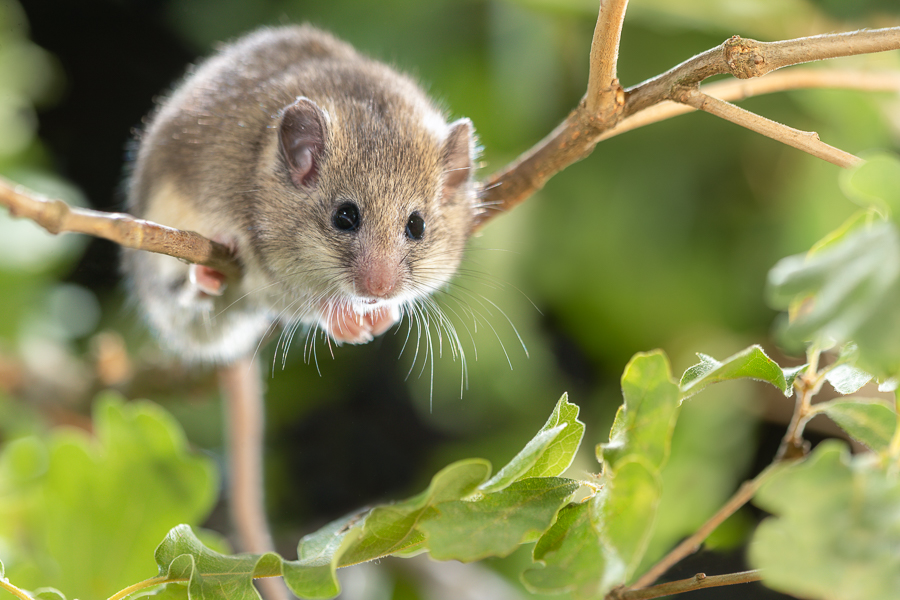
A third small mammal photographed on Crete — and one I had not encountered before — was the Eastern broad-toothed field mouse (Apodemus mystacinus).
Many thanks to Nikos Kiamos (University of Crete) and Maria Kolendrianou (Geopark Psiloritis) for their kindness and generosity, and for sharing their expertise on Crete’s small mammals, particularly the Cretan shrew. Without their help, this part of the trip would have been far less successful.